Introduction
Trezor hardware wallets are designed to provide secure storage for cryptocurrencies by keeping private keys offline, protecting them from hackers, malware, and phishing attacks. Logging into your Trezor wallet is a critical step that allows you to manage your digital assets while maintaining the highest level of security.
Whether you are a new user or an experienced one, understanding the Trezor login process is essential for safe and effective management of your cryptocurrencies. This guide covers everything you need to know about logging in to your Trezor wallet, securing your credentials, troubleshooting issues, and applying best practices to protect your funds.
What is Trezor Login?
Trezor Login is the process of accessing your hardware wallet using Trezor Suite or compatible applications. Unlike traditional online accounts, logging into a Trezor wallet does not require a password stored online. Instead, it relies on the physical Trezor device, PIN code, and optionally, a passphrase, providing robust protection against unauthorized access.
Logging into a Trezor wallet gives you the ability to:
View your cryptocurrency balances
Send and receive funds
Access transaction history
Manage multiple cryptocurrency accounts
Use advanced features like staking and asset swaps
Step-by-Step Trezor Login Guide
1. Connect Your Trezor Device
To log in, connect your Trezor wallet to your computer or mobile device using the provided USB cable or supported connection method. The device must be physically present to verify your identity and access your funds securely.
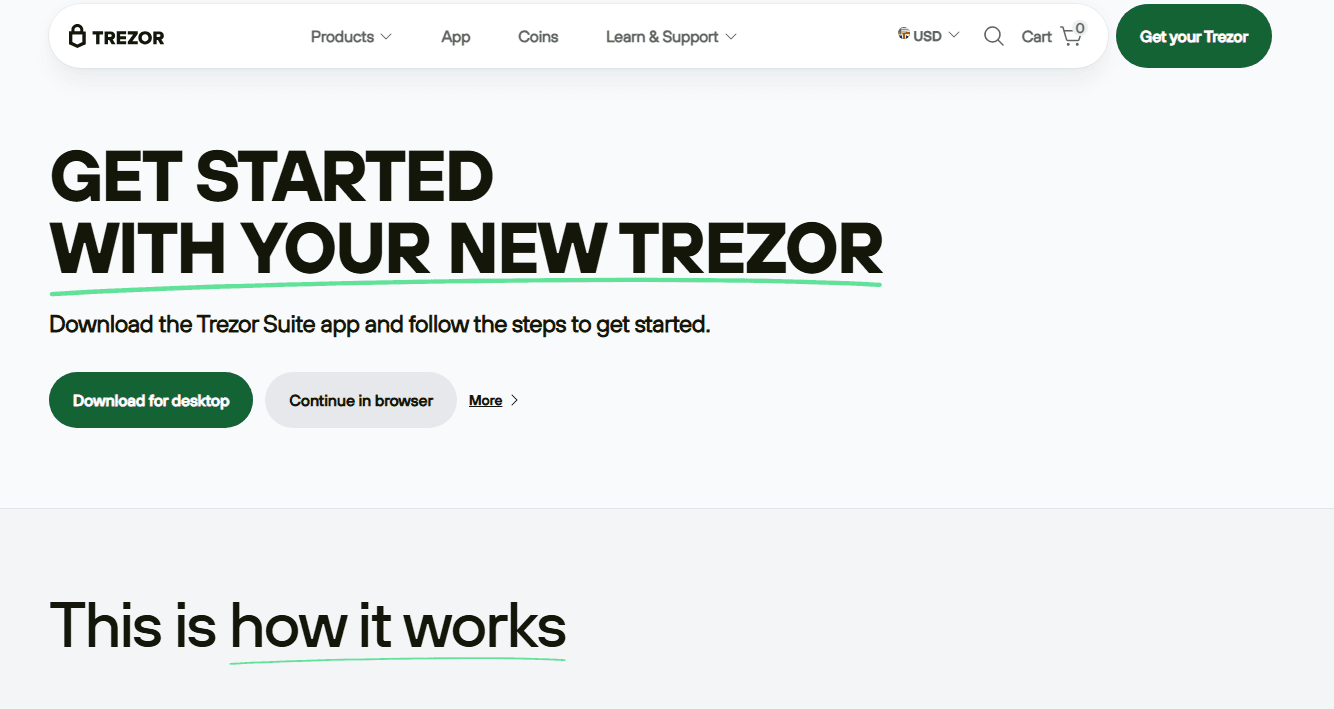
2. Open Trezor Suite
Launch Trezor Suite, the official application for managing your Trezor wallet. Trezor Suite acts as a bridge between your device and your cryptocurrency accounts, ensuring that transactions are signed securely within the hardware wallet.
3. Authenticate with Your PIN Code
Once connected, you will be prompted to enter your PIN code. The PIN protects your wallet from unauthorized access even if your device is lost or stolen. Enter the correct PIN on your Trezor device.
Security tip: Never share your PIN with anyone and avoid entering it on public computers.
4. Enter Optional Passphrase
If you have enabled a passphrase, you will be asked to enter it during login. A passphrase adds an additional layer of security by creating a hidden wallet that is separate from your main wallet. This feature can protect high-value assets from potential threats.
5. Access Your Wallet
After entering your PIN and passphrase (if applicable), you will have full access to your wallet in Trezor Suite. You can now view balances, check transaction history, and manage your accounts securely.
Security Features During Login
Trezor login incorporates multiple layers of security to protect your cryptocurrency:
Physical Device Verification: Access requires the actual Trezor device, preventing remote hacking.
PIN Code Protection: Ensures that only authorized users can unlock the device.
Recovery Seed: Your wallet can be restored if the device is lost, using the recovery seed stored offline.
Optional Passphrase: Provides an extra hidden layer of security for sensitive funds.
Transaction Confirmation: All transactions must be physically confirmed on the device, preventing unauthorized transfers.
Common Login Issues and Solutions
Even with proper instructions, users may face issues while logging in. Common problems include:
Device Not Detected: Ensure the USB cable is functional, the device is powered on, and Trezor Suite is updated.
Incorrect PIN: Entering the wrong PIN multiple times may lock the device temporarily. Use your recovery seed if necessary to restore access.
Passphrase Confusion: Double-check that the correct passphrase is entered. Passphrases are case-sensitive and must match exactly.
Software Compatibility Issues: Make sure your Trezor Suite software is up-to-date and compatible with your operating system.
Firmware Updates Required: Some login issues may be resolved by updating your Trezor device firmware according to on-screen instructions.
Best Practices for Safe Trezor Login
To maintain security while logging into your Trezor wallet, follow these best practices:
Always Use Trezor Suite: Avoid third-party apps that may compromise security.
Keep Your PIN Private: Never share your PIN code or write it down where others can access it.
Use a Strong Passphrase: If enabled, create a unique passphrase to protect high-value funds.
Avoid Public Networks: Do not log in to your wallet over public Wi-Fi networks.
Keep Firmware Updated: Regular updates include security patches and new features.
Physically Secure Your Device: Never leave your Trezor wallet unattended in public places.
Advanced Features Accessible After Login
Once logged in, Trezor Suite allows you to manage and optimize your cryptocurrency holdings with advanced features:
Multiple Account Management: Add and manage multiple accounts for different cryptocurrencies on one device.
Staking: Stake supported cryptocurrencies directly through Trezor Suite for additional rewards.
Asset Swaps: Swap digital assets securely within Trezor Suite.
Portfolio Tracking: Monitor account balances, transaction history, and overall portfolio performance in real time.
Offline Transaction Signing: Sign transactions securely offline, keeping private keys protected.
Importance of Secure Login
Logging into your Trezor wallet safely is fundamental to cryptocurrency security. Unlike online accounts, your private keys never leave the device, making physical access control and PIN/passphrase protection critical.
By following secure login practices, you can minimize risks of unauthorized access, phishing attacks, and accidental loss of funds. Trezor login ensures that your cryptocurrency remains under your control at all times.
Tips for a Smooth Login Experience
Connect the Device Properly: Always ensure a secure connection between your Trezor and computer.
Keep PIN and Passphrase Secure: Memorize your PIN and passphrase; do not store them digitally.
Check Software Updates Regularly: Updating Trezor Suite and device firmware prevents compatibility and security issues.
Take Your Time: Carefully follow on-screen instructions during login to avoid mistakes.
Disconnect When Not in Use: Safely disconnect your Trezor wallet to reduce exposure to threats.
Conclusion
Trezor login is the gateway to securely accessing and managing your cryptocurrency assets. By understanding the login process, using your PIN and optional passphrase, and following best practices, you can protect your wallet from unauthorized access and manage your digital assets confidently.
Logging in safely ensures that all your transactions, balances, and accounts are protected, giving you full control over your cryptocurrency holdings. Following secure login procedures and using Trezor Suite provides a reliable foundation for both beginners and experienced cryptocurrency users to manage their funds responsibly and safely.
Proper login procedures, combined with attention to device security and recovery options, will keep your Trezor wallet functional and secure for long-term use.