Introduction
Trezor hardware wallets are a highly secure method for storing cryptocurrency. By keeping private keys offline, Trezor ensures that digital assets are protected from hacking, phishing attacks, and malware. Logging into your Trezor wallet is a critical step that allows you to manage your cryptocurrency safely.
Accessing your wallet involves more than just connecting your device—it requires proper authentication, understanding recovery mechanisms, and following security best practices. This guide explains the Trezor login process, highlights important security measures, addresses common issues, and provides tips for secure wallet management.
What is Trezor Login?
Trezor login refers to accessing your hardware wallet using Trezor Suite or compatible applications. Unlike traditional online accounts, Trezor wallets do not rely on passwords stored on a server. Instead, login relies on:
The physical Trezor device
Your PIN code
An optional passphrase
This method ensures that only the person with physical access to the device and the correct credentials can access the wallet. Logging in allows users to:
View cryptocurrency balances
Send and receive funds
Access transaction history
Manage multiple cryptocurrency accounts
Use advanced features such as staking and asset swaps
Step-by-Step Guide to Trezor Login
1. Connect Your Trezor Device
To log in, connect your Trezor wallet to a computer or mobile device using the provided USB cable or a supported connection method. Physical presence of the device is required to verify identity and access funds securely.
2. Open Trezor Suite
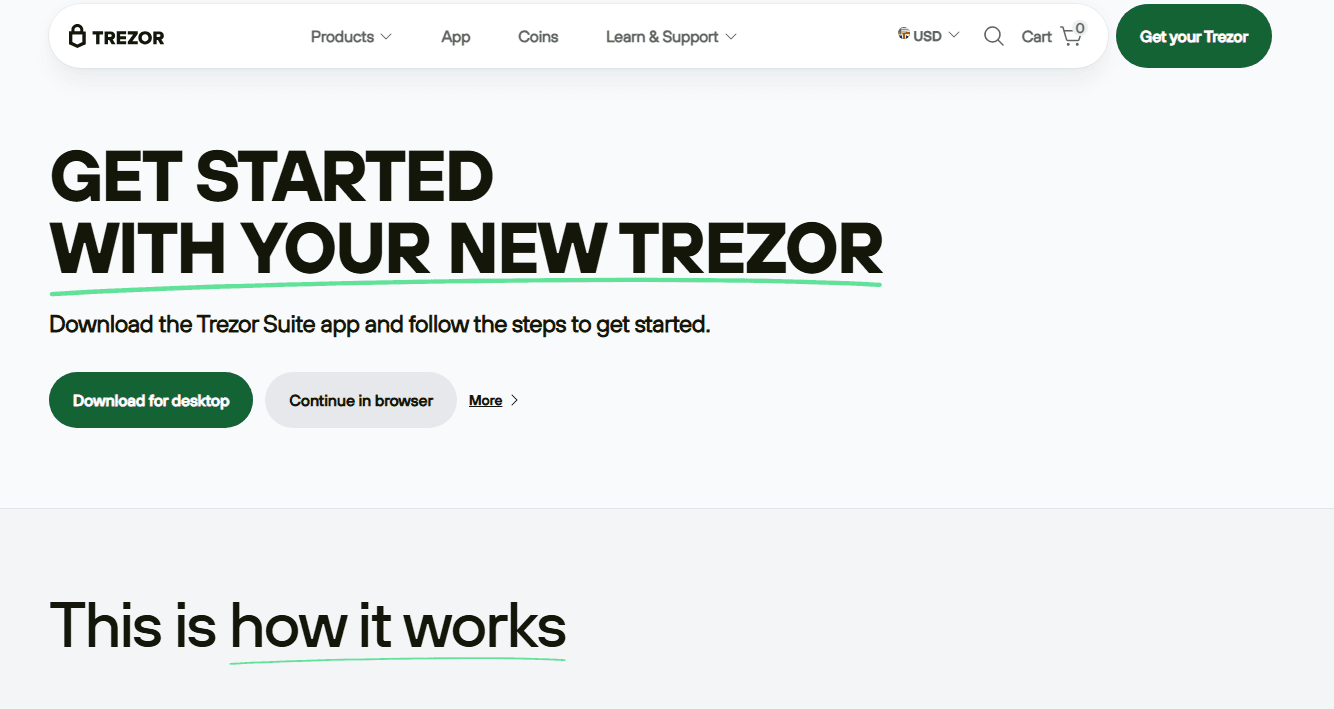
Launch Trezor Suite, the official software for managing your Trezor wallet. Trezor Suite acts as a bridge between your hardware wallet and cryptocurrency accounts, ensuring that all transactions are signed securely on the device.
3. Authenticate with Your PIN Code
You will be prompted to enter your PIN code. The PIN protects your wallet in case the device is lost or stolen. Enter the PIN directly on your Trezor device.
Security tip: Never share your PIN and avoid entering it on public computers.
4. Enter an Optional Passphrase
If you have enabled a passphrase, enter it during login. A passphrase provides an extra layer of security by creating a hidden wallet separate from the main wallet. This can help protect high-value assets from potential threats.
5. Access Your Wallet
After entering your PIN and passphrase (if applicable), you will have full access to your wallet in Trezor Suite. You can now check balances, review transaction history, send and receive funds, and manage your cryptocurrency accounts securely.
Security Features of Trezor Login
The Trezor login process includes multiple layers of security:
Physical Device Verification: Only the person with the device can access the wallet.
PIN Protection: Prevents unauthorized access even if the device is lost or stolen.
Recovery Seed: A backup mechanism that allows wallet restoration if the device is lost or damaged.
Optional Passphrase: Creates a hidden wallet for additional security.
Transaction Confirmation: All transactions must be confirmed physically on the device.
Common Login Issues and Solutions
Users may encounter issues during login. Common problems include:
Device Not Detected: Ensure the USB cable is functional, the device is powered on, and Trezor Suite is updated.
Incorrect PIN Entry: Entering the wrong PIN multiple times can lock the device. Keep your recovery seed ready for restoration.
Passphrase Issues: Ensure the correct passphrase is entered; it is case-sensitive and must match exactly.
Software Compatibility Problems: Verify that Trezor Suite is compatible with your operating system and is updated.
Firmware Updates Needed: Follow the on-screen instructions to update your Trezor firmware if necessary.
Best Practices for Secure Trezor Login
To maintain security while logging in:
Always Use Trezor Suite: Avoid third-party applications.
Keep PIN and Passphrase Private: Do not share or store them digitally.
Use a Strong Passphrase: Protect high-value funds with a unique passphrase.
Avoid Public Networks: Log in only on trusted networks to prevent interception.
Update Firmware and Software: Regular updates include critical security patches.
Physically Secure Your Device: Keep your Trezor in a safe location.
Advanced Features Accessible After Login
After logging in, Trezor Suite offers advanced features for managing cryptocurrency holdings:
Multiple Account Management: Add and manage multiple accounts for different cryptocurrencies.
Staking: Stake supported cryptocurrencies directly within Trezor Suite.
Asset Swaps: Swap digital assets securely without leaving the suite.
Portfolio Tracking: Monitor balances, transactions, and overall portfolio performance.
Offline Transaction Signing: Sign transactions offline to keep private keys secure.
Importance of Secure Trezor Login
Secure login is critical because your private keys never leave the hardware wallet. Physical access control and proper use of PIN and passphrase protect your funds from unauthorized access.
Following secure login procedures reduces the risk of phishing attacks, malware, and theft, ensuring your cryptocurrency remains under your control.
Tips for a Smooth Login Experience
Connect the Device Correctly: Ensure a stable connection between the Trezor and your computer.
Memorize PIN and Passphrase: Avoid storing them digitally.
Keep Software Updated: Regular updates prevent compatibility and security issues.
Follow Instructions Carefully: Ensure you complete each step correctly.
Disconnect After Use: Minimize exposure by disconnecting the device when not in use.
Conclusion
Trezor login is the gateway to managing your cryptocurrency securely. By understanding the login process, using your PIN and optional passphrase correctly, and following best practices, you can protect your wallet from unauthorized access.
Logging in safely allows you to manage your cryptocurrency confidently, access multiple accounts, perform secure transactions, and use advanced features such as staking and asset swaps.
Following secure login procedures and maintaining physical control of your device ensures that your Trezor wallet remains safe, functional, and ready for long-term use.